by Taylor Borgelt, Rebecca-Eli Long, Rebecca Martinez, Hanna Newell, Olivia Palepoi, Jayvaughn Peter, David Tortolini, Juan Manuel Arévalo Viveros (Purdue University)
We are a student collective brought together through a graduate-level visual anthropology course taught by Professor Dada Docot. In this document, which we’ve framed as a manifesto, we’ve outlined the values that we centered while cultivating our creative projects for this course. Writing a manifesto emerges out of our interest in documenting and recording our experiences as researchers in a creative, expressive space and from a desire to valorize artistic work in a limiting academic environment. We wrote this because we believe in and value challenging larger institutions and systems that have historically devalued the work we find conducive, generative, and beautiful. As both a record and an expression, this manifesto was an opportunity for us to maintain the community we built in class and to engage with larger discourse around the use of creative artistic work in social science spaces.
At the end of this manifesto, we’ve included images of our creative pieces that we showcased during the course’s public-facing exhibit in The ALab in the Department of Anthropology at Purdue University. At the conclusion of the course, we, the students, were tasked with creating and presenting individual visual anthropology projects that worked through the intersections of the major course themes, our own research, and creative expression. Each piece was developed throughout the semester, through drafting and feedback stages, and speaks to the very personal connections that we have towards our larger programs of work. Writing this manifesto was something that came out of reflections on this process of consideration, creation, and presentation, so we wanted to also share what we were all able to create during this time. The commitments and values that we describe throughout this piece are attached to and embodied through our creative work, so putting our writing and our visuals in tandem is meant to affirm our argument. Artist statements for each piece are linked to the titles in the captions.
In writing this collective manifesto, we've attempted to navigate through the confines and tensions of our own respective contexts, backgrounds, histories, identities, and goals. Thus, this piece reflects the relational ventures we took to understand the kaleidoscope of our unique identities and commitments. The significance of this piece is not cohesion or agreement, but respect and care. Acknowledging these existing tensions is also meant to highlight the ways in which this text is itself limiting in how we can (and cannot) adequately express our journeys through our work. Nonetheless, these are pieces and parts that have been collaboratively contributed and edited, but not prescriptively or boundedly provided. Aiming at being a framework for practice (praxis), this manifesto is meant to explore and expand upon how creative works and research can be done in a space like a university classroom, relative to anthropological interests and aims. We’ve offered values that we hold now for work we are doing in the now. This written piece, in furthering a non-prescriptive want/aim, is representative of who we are and how we’re working, with full understanding of and appreciation for how we will continue to change and grow as people and as scholars.
Collective work and livingness are not without conflict, and the scope of this work aims to be demonstrative of the tensions and challenges inherent to existing within an intellectual/practical community at any point in time. Thus, at the core of this piece, our class, and our exhibit, relationality exists not as a means to an end, but as an end in and of itself.
Our Dimensions
This is a non-exhaustive list of some of the values - which we call “dimensions” - we’ve used to foreground our creative work and research practices. In choosing the term “dimensions,” we recognize that our projects are situated in different spaces –geographically, topically, disciplinarily, and beyond – and different contexts. Because our work goes off in various directions, some of our projects may engage more closely with some dimensions than others; however, this does not mean that the other dimensions are unimportant. Our work(s) can never be situated within a single dimension. Instead, dimensions are layered and intersectional. Rather than articulating a set of prescriptive keywords, we give ourselves and each other permission to let some values surface and other values move into the background. In recognizing that there is no perfect or complete list of values that will apply equally to every project, we move away from perfectionism and open spaces of experimentation and improvisation.
Each dimension was written by an individual student and then collectively edited. We each picked the value that felt most significant in our work and our writing. The processes of making our pieces for the course exhibit were personal trials in reflection and critical consideration.
Some of these dimensions build on each other, while others sit more on their own. There is also no significant order to these dimensions – there is no applied sense of hierarchy or prioritization because we’ve aimed to work more horizontally and collectively.
We’ve included images of our creative pieces from the course exhibit, along with a list of their corresponding titles, in the appendices at the end of this paper.
Context (Taylor)
We, as people, do not and cannot live outside of the bounds of culture. Life and meaning are so deeply informed by categorical, indexical, symbolic, and embodied relationality – who we are, how we live, how we value each other, and the cultural systems that surround/involve us all work to provide context for how we make sense of ourselves, each other, and the world (Crenshaw, 1991; Nash, 2008). Because of this intersecting, netted relationality (Osorio, 2021) and the dynamic reality(s) of existence, context is both inevitable and highly significant. In this vein, being able to conceptualize and appreciate the context of people, and their work, is important in prioritizing relativity and working to not hierarchically value people along lines of imposed, enforced, or qualified ‘difference’. In our own work (creative, research, or otherwise), it is important to recognize the ways in which it sits within context(s) and how this creates and exists in relational responsibility, to highlight the ways in which there are always the impacts of people and culture in everything we do. Particularly highlighting creative work – but not exclusively bounding this dimension/ principle to creative work – nothing is devoid of ourselves and we (ourselves) are made up of the people, places, and things around us; the separation of people from others or the environment works to perpetuate systems and conceptualizations of harm, so ethical creative work should attend to this inherent relationality and contextualization.
Expertise (Rebecca-Eli)
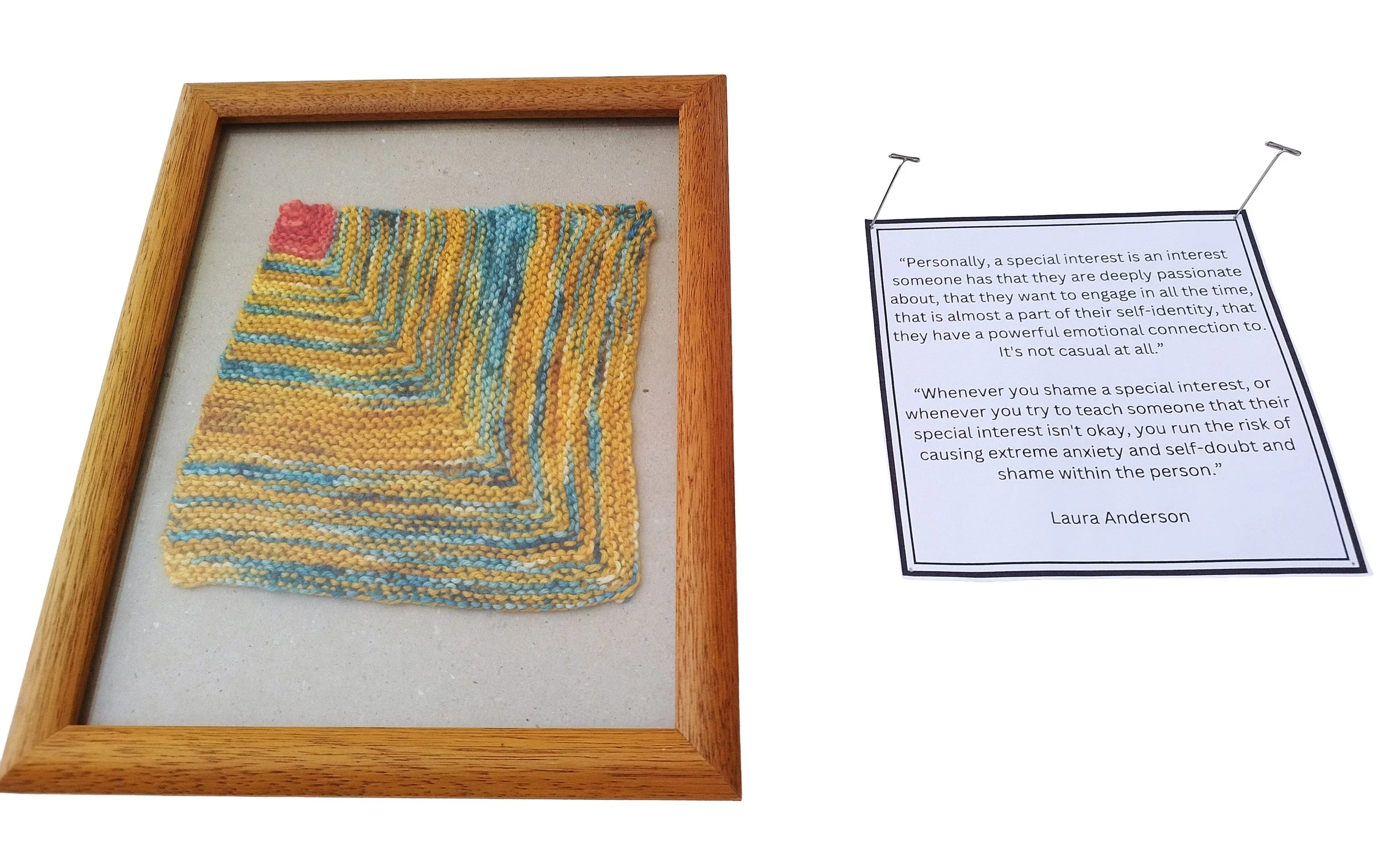
Figure 1 Compendium of Autistic Interests (Rebecca-Eli Long)
For research, creative, and other work to be ethical, it must sincerely believe that interlocutors have expertise, including expertise about what work should or shouldn’t be done, and how. This expertise may not look like standard “Knowledge” and can encompass felt or embodied ways of knowing. Recognizing expertise necessitates the belief that it is possible for people to take part in research, that potential interlocutors are able to decide if they want to participate in a project (or not), including allowing the dignity of risk, as part of a research relationship. This relationship does not assume commensurability between researcher, artists, scholars, and interlocutors or erase power differentials. Rather, it seeks to strategically leverage resources to meet aims of those involved in the research relationship with an awareness of historic power imbalances and harms.
Voices (David)
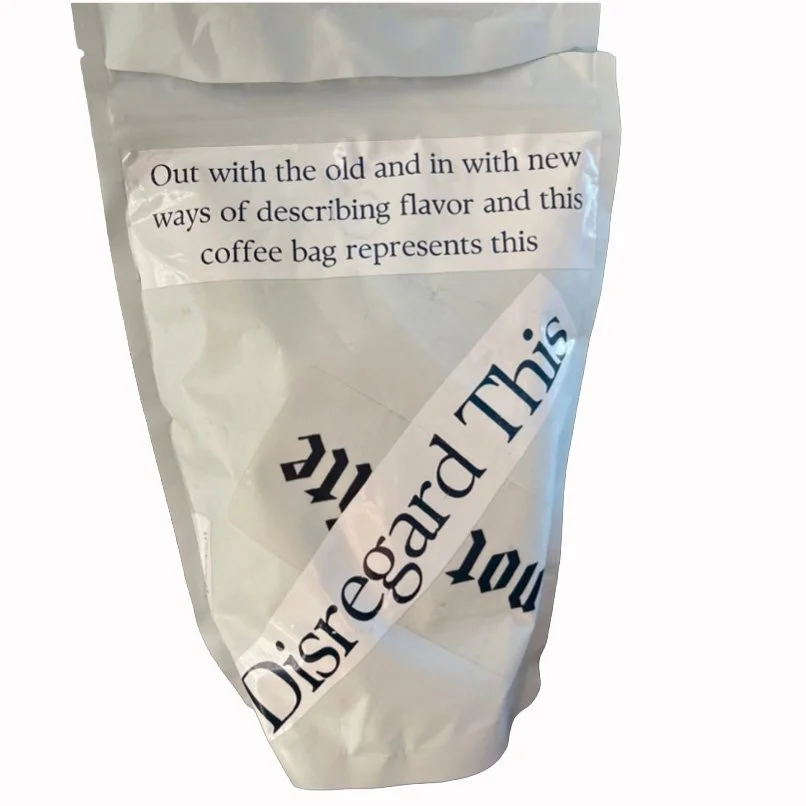
Figure 2 Brewing Culture(s) (David Tortolini)
The era of translating and paraphrasing communities is over. Individuals and organizations who perform research and scholarly work cannot claim to be in collaboration or working in the spaces/places with marginalized and oppressed people(s) if they are not listening to and including their voices within their work(s). As we position these voices at the forefront of our work, a process that incorporates de-centralization and recognition can begin. Collaborative dimensions of voice involve listening, but not everything needs to be written or transcribed. This is self-censorship, where the marginalized and oppressed are given the power and agency to share and distribute their knowledge on their terms. This appreciation and respect challenges academics (researchers, creatives, scholars) to confront the violent, normalized practices in which knowledge is created and shared. Breaking the chains of tradition and listening, we must include all forms of knowledge- making and consider them as academically rigorous. The written word is still important and will never depart, but we should also incorporate other forms of meaning making/ knowledge production. These alternative forms of knowledge production should be recognized as ways of showing people’s voices using the same standards, ethical guidelines, and considerations as the tradition of creating written works. These alternative forms are expressed in various formats, such as art, dance, music, and cooking. An appreciation for and valuation of non-dominant forms of knowledge production allows for an ability to showcase voices as multi-dimensional and significant. As a marginalized person whose voices of my ancestors and communities I carry with me every day; all I can demand is to listen and carefully manifest how we use and share our voices with y’all.
Embracing Tensions (Rebecca)
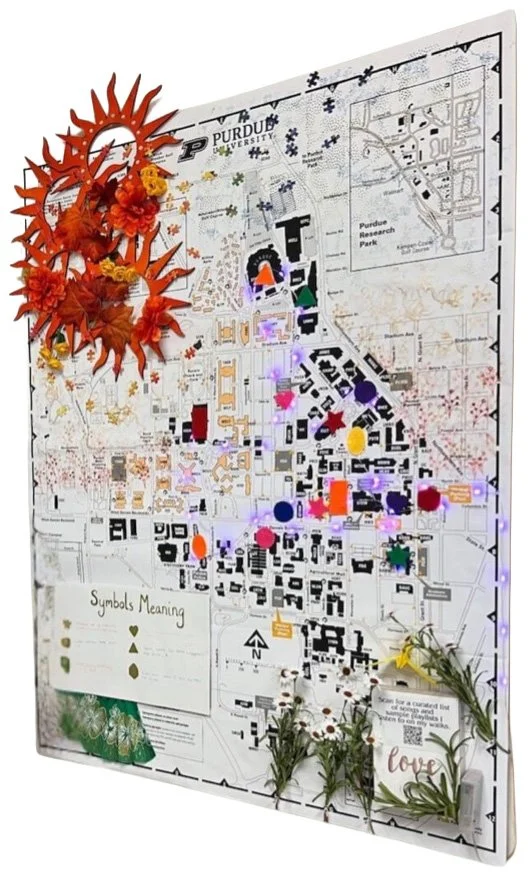
Figure 3 An Exploration of Personal Worldmaking (Rebecca Martinez)
I embrace the tensions that come with generating creative work and research (or any work), as a scholar expected to “produce”, and the need to “rest” in order to move through this liminal space; to find a subject and be a subject of inquiry to some; to want to be legible and to not know what that means or to make the choice to not be legible. Through continuous reflexive practice, keen observation of my surroundings, and a critical yet generative stance, I prioritize and hold an ethic of engaging with power, in all spaces, and to consciously explore my relationship with it. Are there opportunities for change? Perhaps. Is now the time? Or is tomorrow the stage? The tension of time (needing more, not having enough, not wanting any) is also relevant to learning, crafting, and generating in a way that is considerate and critical. Regardless we all have an opportunity to say something and do something, at least for/within ourselves, to make our worlds more beautiful, weird, bold, kind, compassionate, interesting, poetic, and more.
Re-connection (Liv)
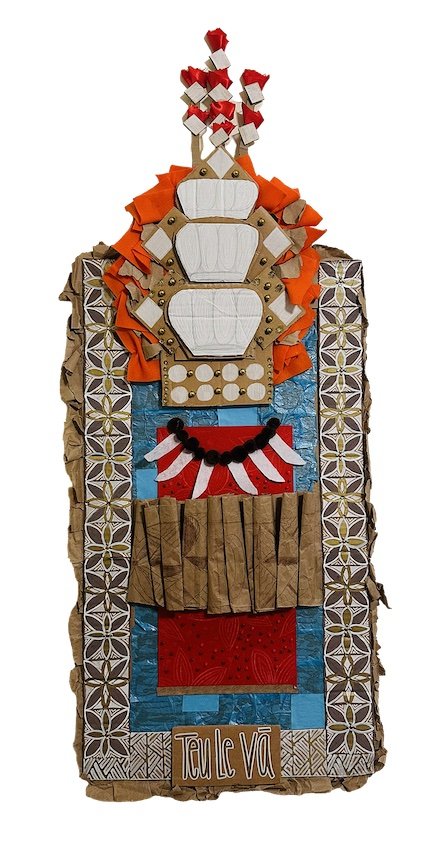
Figure 4 The Queen of Swords (Olivia Jane Palepoi)
“Va is the space between, the betweenness, not empty space, not space that separates but space that relates, that holds separate entities and things together in the Unity-that-is-All, the space that is context, giving meaning to things. The meanings change as the relationships/the contexts change” - Albert Wendt (1996, 18-19).
“A well-known Samoan expression is ‘Ia Teu Le Va.’ Cherish/nurse/care for the va, the relationships” (Wendt 1996, 19). This creative work focuses on re-centering the essence of the vā in the Samoan diaspora amidst actions of assimilation, acculturation, and erasure as someone born and raised in the state of Utah. As our context in the diaspora fluctuate, so should our responses to nurturing, cherishing, and respecting the relationships we hold. It’s important to remember that vā does not just exist on its own. Rather, it must be the betweenness located within the relationships. As such, I cannot exist without my relationship to those around me and the vā is that which holds me accountable.
Using the frame of “in-betweenness” I write about my experiences navigating spiritual and/or metaphysical connections (disparate from denominational affiliations). I use various mixed mediums to portray the processes of reclaiming, mending, repairing, and rebuilding relationships to spiritual groundings (which is still in processing, as spiritual is definitely open to critique as a term). Overall, this all coalesces to inform the tensions of diasporic experiences as an “in-betweenness” or a processual relational ethic that is built through day-to-day, minute-to-minute, second-to-second practice.
Centering Care (Hanna)
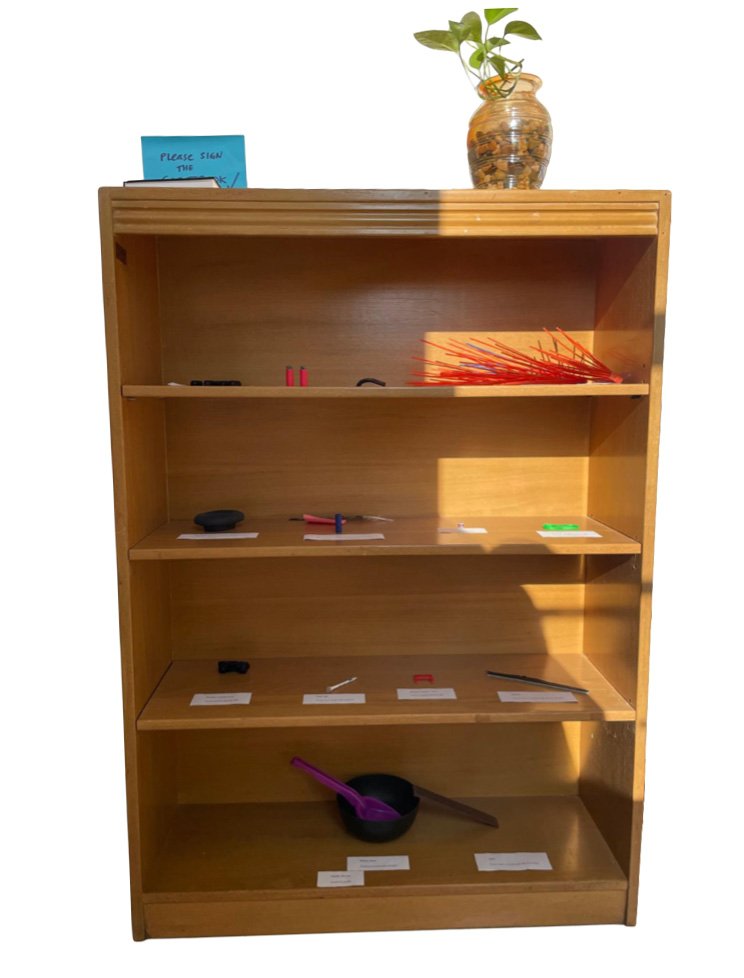
Figure 5 Book of Found Things (Hanna Newell)
Care needs to be foundational to research and creative work. Care is a prerequisite to the conduct of ethical work. Centering care involves genuine commitment to fostering trust, respect, reciprocity, and meaningful collaboration between people, researchers, and interlocutors. Ethical research means centering care in the pursuit of understanding, while also recognizing that care does not exempt me from my role and position in violent institutions. With care as a cornerstone of ethical research and creative work, prioritizing the voices and perspectives of marginalized and Indigenous communities calls for me to consider the impact of my work, and at times will require the refusal to do work when necessary. This refusal is important for ethical research that centers care, recognizing instances where research may perpetuate harm, like through the use of extractive practices, or reinforce colonial power dynamics and legacies.
Attending to Violence(s) (Taylor)
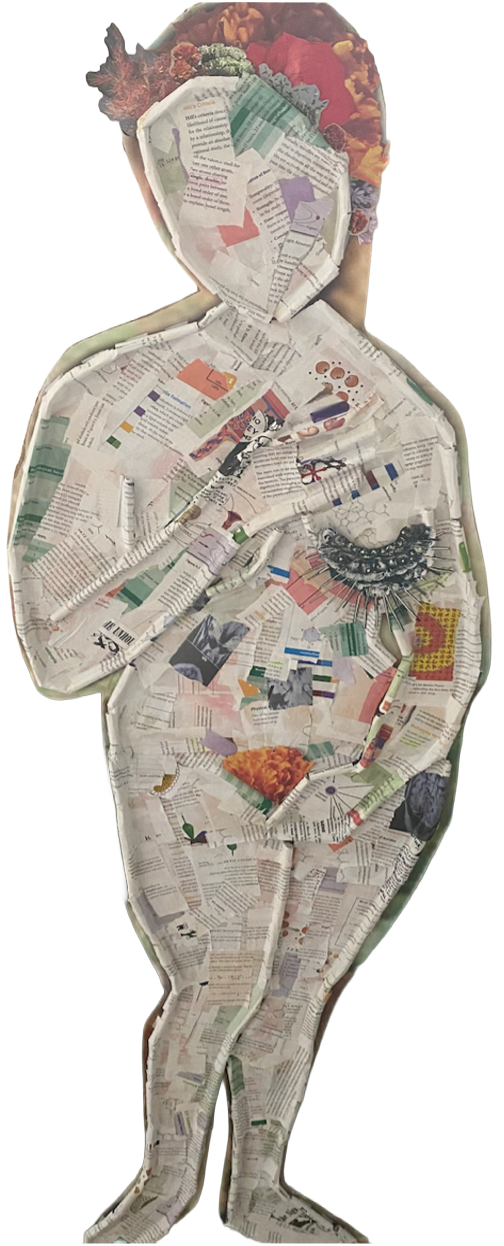
Figure 6 Rejection Reimagined: An Open Letter to All of the Medical Schools That Rejected Me (Taylor Borgelt)
It is perhaps overly reductive to place knowingness as a significant rebellious action, because knowledge and action are important, connected tenants of praxis, but it is important to see and acknowledge the worlds around us, in all of its complexity. In recognizing that, consciousness and awareness (as activities, not passivities), are meaningful and generative political acts because non-critical complacency is a well manipulated (manipulatable) tool of power. In understanding and appreciating context – specifically acknowledging our context(s) within a university, as graduate students – it is important to first acknowledge how adjacency to and positions within systems/ structures of power afford privilege and how they are built upon violence and harm. Honest personal contention with how we (I) fit into and benefit from a structure predicated on genocide and forced displacement, slavery, racism, sexism, classicism, ableism, and other forms of violence is an early step in developing and enacting (more) ethical creative and intellectual work.
Strategic Concealment (Jayvaughn)
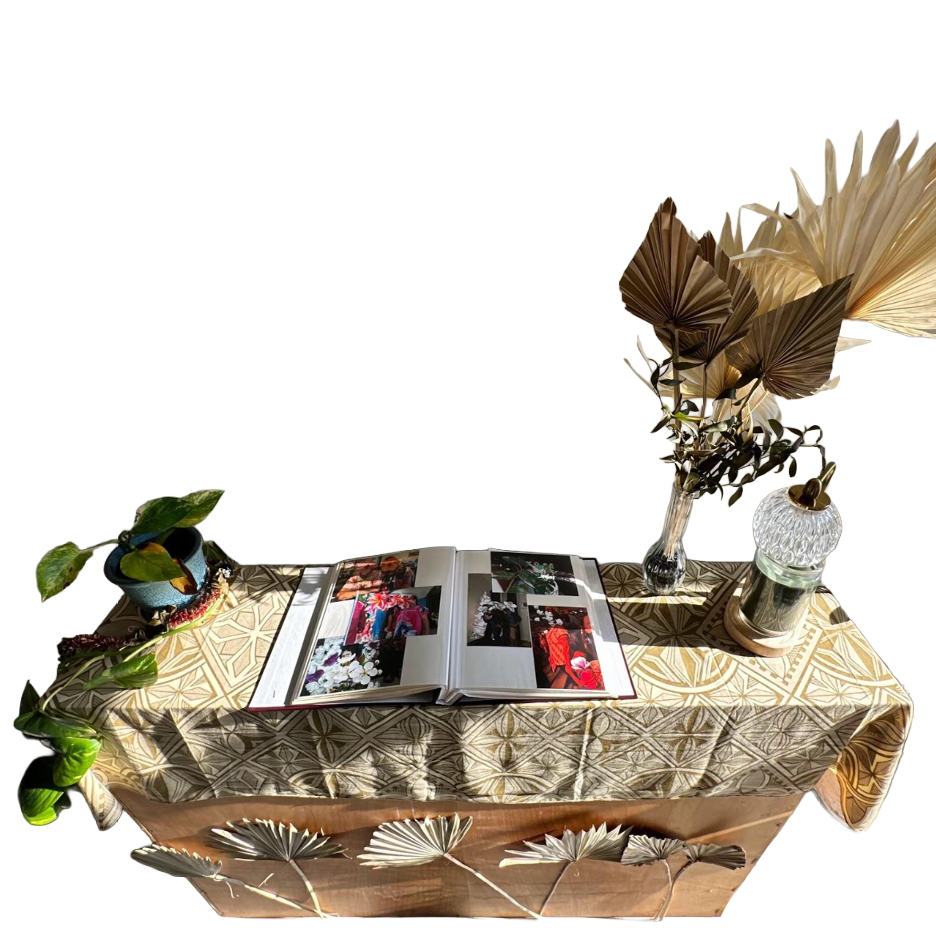
Figure 7 Dreaming mehn Pohnpei (Jayvaughn Fredrick Peter)
Drawing from the Pohnpeian way of being, known as kanengamah, strategic concealment can refer to restraint through withholding knowledge, emotions, and intentions (Petersen, 1993). Bringing this to academic research spaces, wherein the pursuit of knowledge is inherently central – or the uncovering of truth, can allow us to exercise a power that is necessary for the work we do with communities we owe responsibility to with topics that are complexly in tension with the general missions of academic institutions we are entangled with. What makes this concept strategic is the critical understanding that research institutions are often places of normalized reproductions of harm and that every choice made here is political. Practicing strategic concealment can manifest as a self-imposed filter dependent on audiences, to ensure preservation of self, communities, and ideas from encroaching powers. Allowing our intuitions and understanding of our settings to guide us on what to share in any moment. It can be outright refusal to share or a deferment, acknowledging that the right time is not now. This practice is especially helpful for the complex relations of early researchers in academia that may feel disadvantageous. The result is a state of mindfulness for each of our decisions and the impacts they might have – one that is wary of our individual positioning and can aid in navigating uncertain situations.
Ethical Decolonial Endeavors (Juan Manuel Arévalo)
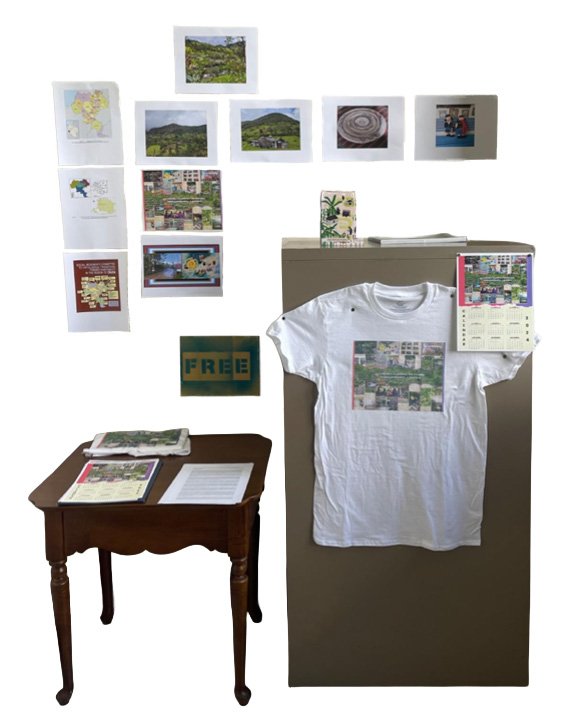
Figure 8 Observing and feeling Indigenous economies for sustainability transitions: re-thinking economic practices from the sight and other senses (Juan Manuel Arévalo Viveros)
Modernity hinges on a double historical version: on the one hand, it is deemed as a European-western invention (ad-intra version), based on the scientific cognizance, whose main aim (so far incomplete) has been yielding far-reaching material and symbolic shifts in order to pull ‘global enfranchisement’ off. On the other hand, and parallelly, this ontological project has historically involved irrational and interworked processes of extractivism, imbalance, displacements, subjugation, and coloniality in multifarious loci world over (ad-extra version). The latter is the obverse side of the coin--the dark side of modernity. Now, it is known and well documented that research and art have supported this damaging Western civilizational project. Thus, the fields of research and art do not revolve around objectivity and neutrality, and as researchers and artists today, we can ground ourselves in political roots that may affect the world positively. Consequently, binding social research and creativity to ethics could be critically productive. In attempting to do so, scholars and artists must constantly, in ad infinitum, carry out a two-fold reflection on: their ties with colonial projects and their material commitment to decolonial possibilities towards fairer worlds. As the Zapatista Movement has warned, the hegemonic/colonial system is a hydra (the mythological image) with several heads, and adding to this, ethical de-colonial endeavors must constantly explore how to deal with them through this two-fold act, researchers and creative people might raise awareness about the hegemonic system, its injustices and victims, as well as enact alternatives.
Conclusion
While not fundamentally cohesive, these dimensions express some of our values and commitments that we’ve shared with one another. Many of these speak to larger concerns and attentions in our own lives. We pulled these specific values from a broader reflection on personal values and so, while not encompassing, these represent some of the things we’ve come to actionably prioritize and live out through our creative pieces. At the end of the day, we came together, learned, and tried some things out. Through writing this collective manifesto, we actualized and worked through the tensions inherent to and inevitable in doing collective, relational work that offers and prioritizes space for individual contribution towards a larger, collaborative goal. Like all media, text offers one way, perhaps a limiting way, to convey these ideas, these values, and this experience. This exercise had us think about how to write together with an active abandoning of hierarchy. We’ve had to sit in and exist through the mess, the tension, the chaos, and the limitations of academic writing. The act of writing this piece exemplified why our creative pursuits during this semester-long course were both so generative and so vulnerable.
References
Crenshaw, K. (1991) Mapping the Margins: Intersectionality, Identity Politics, and Violence against Women of Color. Stanford Law Review 34, 6.
Nash, J. C. (2008). re-thinking intersectionality. Feminist Review, 89, 1–15. http://www.jstor.org/stable/40663957.
Osorio, J. H. (2021). Remembering Our Intimacies: Mo’olelo, Aloha ’Aina, and Ea. University of Minnesota Press. https://doi.org/10.5749/j.ctv1xx9n48.
Petersen, G. (1993). Kanengamah and Pohnpei’s Politics of Concealment. American Anthropologist, 95(2), 334–352.
Wendt, Albert. 1996. “Tatauing the Post-Colonial Body.” Span 42-43: 15-29.
Cite As
Borgelt, Taylor, Rebecca-Eli Long, Rebecca Martinez, Hanna Newell, Olivia Palepoi, Jayvaughn Peter, David Tortolini, and Juan Manuel Arévalo Viveros. 2026. “Dimensions: An Ephemeral Manifesto on Creativity.” American Anthropologist website, October 6.